

What is Glaucoma Surgery?
Minimally Invasive Glaucoma Surgery (MIGS) refers to a range of glaucoma procedures performed in an operating theatre. These procedures aim to lower intraocular pressure by improving the natural drainage of fluid from the eye.
As your local ophthalmologist in Brisbane, we provide guidance on glaucoma surgery and its management. If you would like to learn more about glaucoma or the different treatments, simply reach out to our team today.
What is Glaucoma Surgery For?
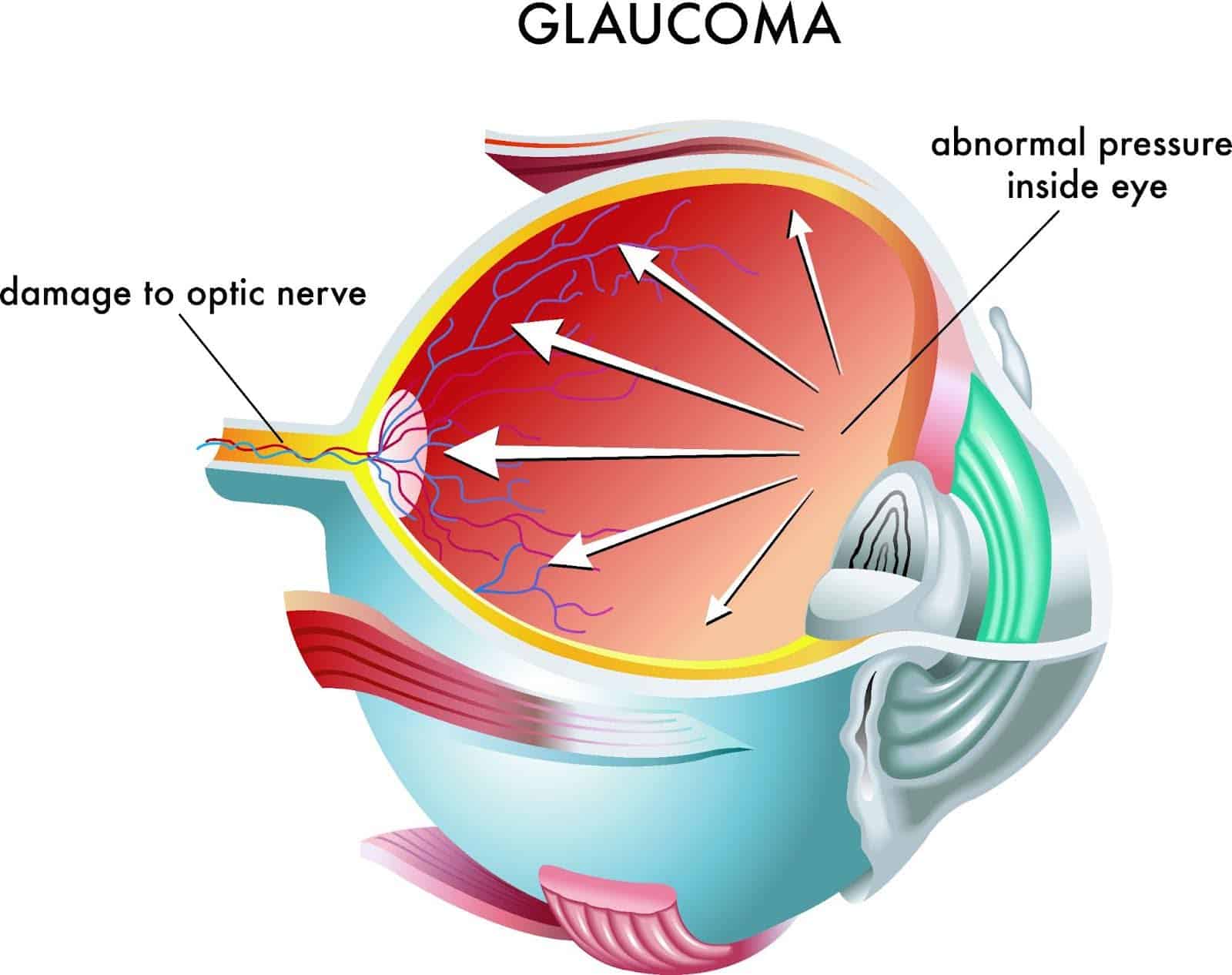
Glaucoma surgery is used to address glaucoma. This is an eye condition where the optic nerve, the vital connection between the eye and the brain, becomes damaged.
This optic nerve damage most often occurs because of raised eye pressure, known as intraocular pressure.
Unfortunately, once the optic nerve is damaged, vision loss cannot be reversed. The aim of treatment is to protect the optic nerve and help prevent any further loss of sight. The easiest way to achieve this is by lowering intraocular pressure.
How Glaucoma Surgery May Help
There are several types of MIGS procedures that may help address glaucoma. Each uses different techniques to help lower intraocular pressure. These include:
iStent
An iStent procedure involves injecting a tiny tube of surgical-grade titanium into the natural drainage channel of the eye.
Hydrus Stent
A Hydrus stent is a curved, flexible stent. It acts as a scaffold, helping to widen and dilate the natural drainage channel.
PRESERFLO® MicroShunt
A PRESERFLO® MicroShunt is a small, flexible stent implanted into the eye to help drainage and reduce pressure.
Trabeculectomy
In a trabeculectomy, a ‘trap-door’ is created in the wall of the eye. This allows fluid inside the eye to slowly flow out, helping to lower pressure.
Unsure whether glaucoma surgery is appropriate?
Our team can provide further information and assessment if needed.
Alternative Glaucoma Treatments
There are also several other treatment options that may help manage glaucoma, such as:
Selective Laser Trabeculoplasty (SLT)
SLT is a laser treatment that aims to increase the amount of fluid that the eye drains, which may lower the pressure.
A gentle laser is applied to the trabecular meshwork, the part of the eye responsible for fluid drainage.
However, the effect of the SLT treatment may wear off over time (usually years). If this occurs, the treatment may be repeated.

Glaucoma Drops
There are many types of glaucoma eye drops, but most work by reducing fluid production in the eye.
Glaucoma eye drops need to be used consistently to have an impact. If they are not used, pressure may rise again within 24 hours.
They may also have side effects after long-term use, such as dry eyes, eye irritation, darkening of the skin around the eyelids, and ‘sinking’ of the eyes into the eye sockets.
Glaucoma Drainage Devices
In addition to the more common MIGS procedures, other glaucoma drainage devices may be surgically placed.
These are also known as glaucoma ‘tubes’ and function similarly. A tube is inserted inside the eye to allow fluid to drain to the outside of the eye, helping lower intraocular pressure.
Common types of tubes include the Paul tube, Baerveldt tube, and Ahmed tube.
Glaucoma Surgery FAQs Answered
What are the symptoms of glaucoma?
Glaucoma usually affects peripheral vision first. Because this type of vision loss is subtle, many people don’t realise they have glaucoma until the condition has progressed and central vision is also affected.
Other symptoms may include:
- Sudden eye pain
- Headaches
- Watery eyes
- Blurred vision
- Nausea
Can glaucoma develop even if eye pressure is normal?
Yes. This is known as normal tension glaucoma. This is where progressive damage to the optic nerve occurs despite normal intraocular pressure.
Because symptoms are subtle and vision gradually changes, early detection through regular eye exams is important in an effort to help prevent further damage.
How is glaucoma detected before vision loss occurs?
Glaucoma often affects peripheral vision first, meaning changes may not be noticed in the early stages.
An ophthalmologist may use optical coherence tomography to assess the optic disc and nerve tissue, along with a visual field test to measure functional vision.
When is surgery considered for glaucoma?
Surgical intervention may be considered if pressure inside the eye remains elevated despite glaucoma eye drops or laser therapy, or if there is evidence of further optic nerve damage. The decision depends on the stage of disease, risk factors, and how well the current treatment is controlling pressure.
Can glaucoma return after surgery?
Glaucoma is a long-term condition. Surgery aims to control pressure and slow progression, but monitoring is still required because pressure may change over time.
The Vision for Life Institute Difference
Comprehensive Care
We offer our patients comprehensive care, from diagnosis through to medical care and, if needed, surgical treatment.
Clinical Experience
Our team has over 25 years of combined experience, using trusted knowledge to offer tailored support for all adult eye conditions.
Wide Service Area
Ideally located in Brisbane, our clinic is accessible to patients across the surrounding suburbs and greater metropolitan area.

Find Glaucoma Care Focused on Your Condition
If you have symptoms or concerns related to glaucoma, don’t hesitate to reach out to our team. With a range of treatment options available, we can discuss your condition and help determine an appropriate management approach.